The 1911 Magazines pistol is an iconic piece of American history, celebrated for its reliability and performance. However, the magic of this firearm extends beyond its sleek design and powerful caliber; it lies significantly in its magazines. These essential components have undergone a remarkable evolution since their inception more than a century ago, shaping how we experience shooting today.
From original designs crafted for function to modern innovations that push the boundaries of technology, 1911 magazines play a crucial role in ensuring optimal performance at the range or during critical situations. Whether you’re a seasoned enthusiast or just beginning your journey with this legendary handgun, understanding the nuances of 1911 magazines can enhance your proficiency—making every round count. Dive into this exploration as we unravel their fascinating past and promising future!
What is 1911 Magazines?
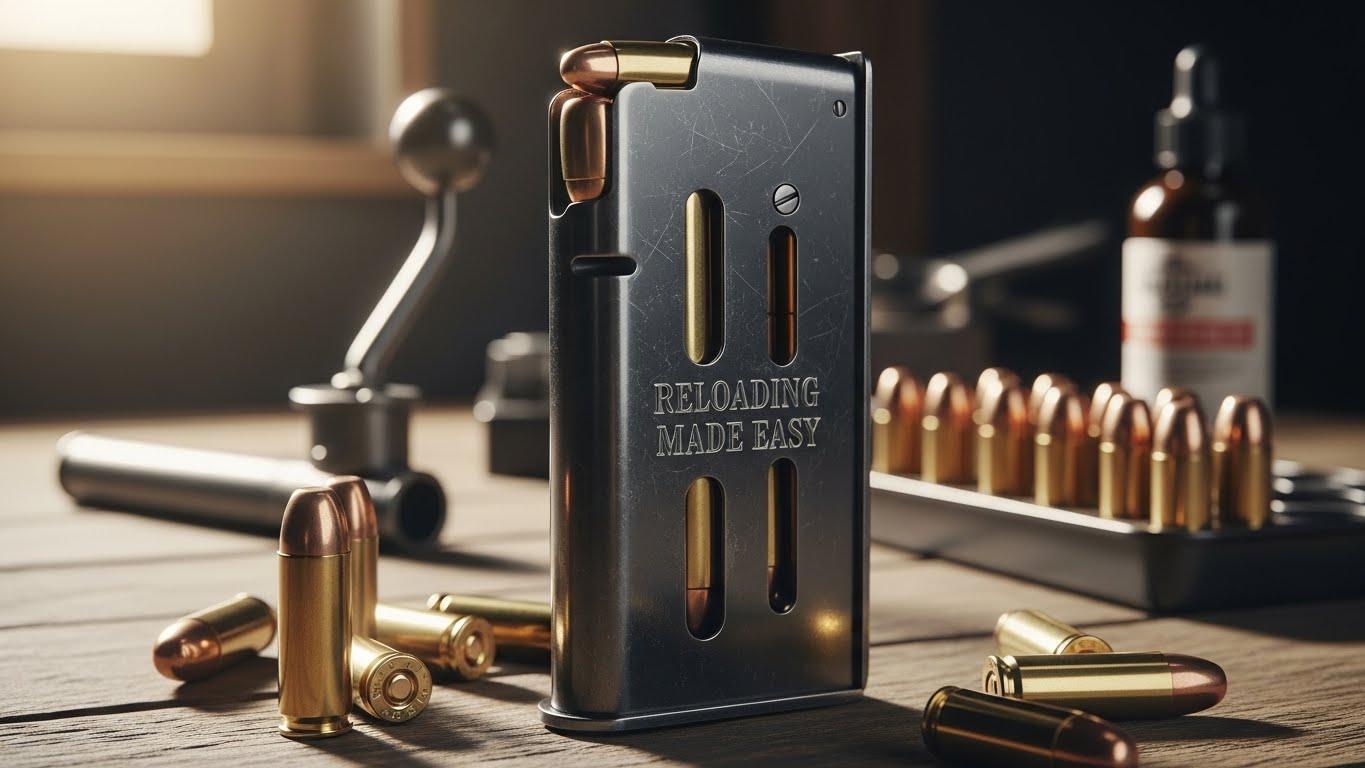
1911 magazines are essential components for the iconic 1911 pistol, a firearm designed by John Browning in the early 20th century. These magazines serve as detachable containers that hold ammunition, allowing quick reloading during use.
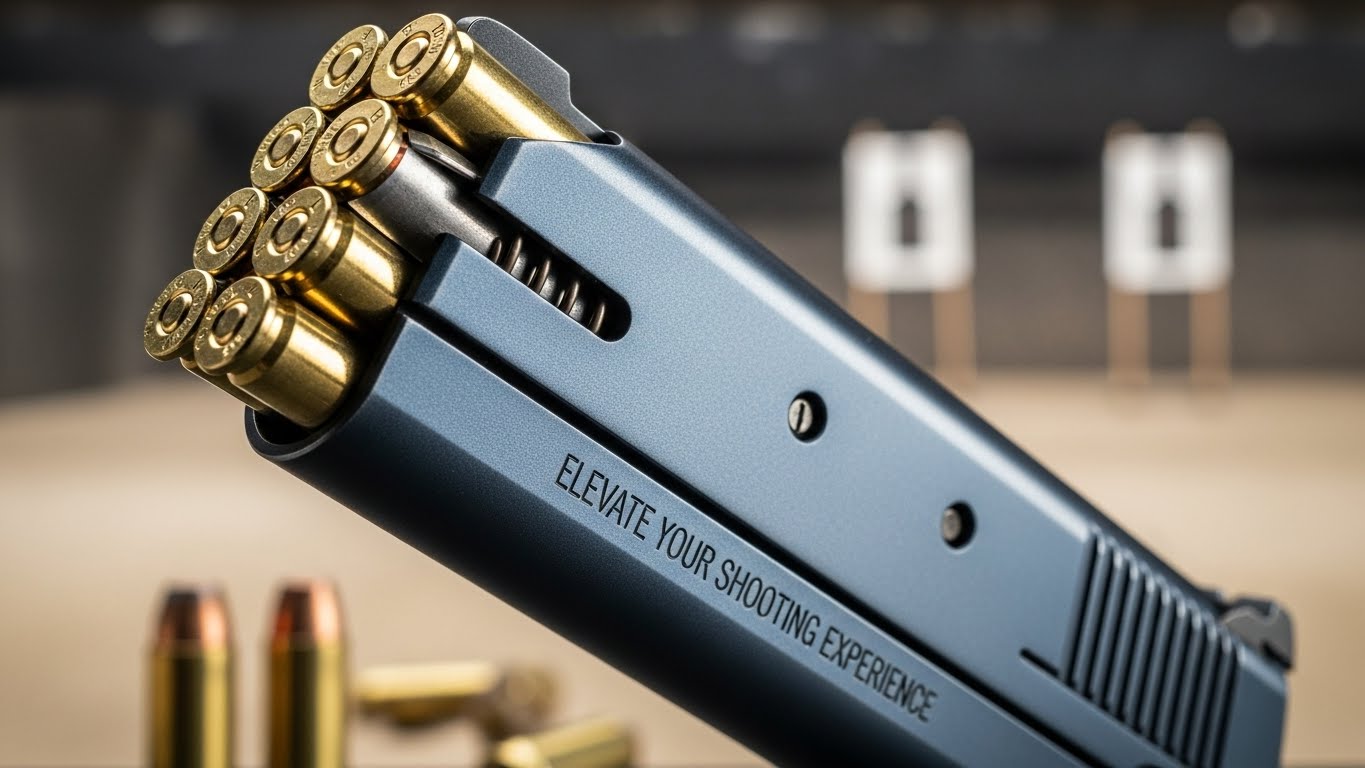
Typically, a standard magazine can accommodate seven to ten rounds of .45 ACP or similar calibers. Their design is crucial for reliable feeding and smooth operation within the firearm.
Made from materials like steel or aluminum, modern variations may also feature polymer components. This mix enhances durability while reducing weight.
The structure includes a spring mechanism that pushes rounds upward as shots are fired. This ensures consistent performance under various conditions and shooting scenarios.
Whether used for sport shooting or self-defense, understanding what 1911 magazines offer is fundamental for any enthusiast seeking optimal functionality and reliability from their firearm.
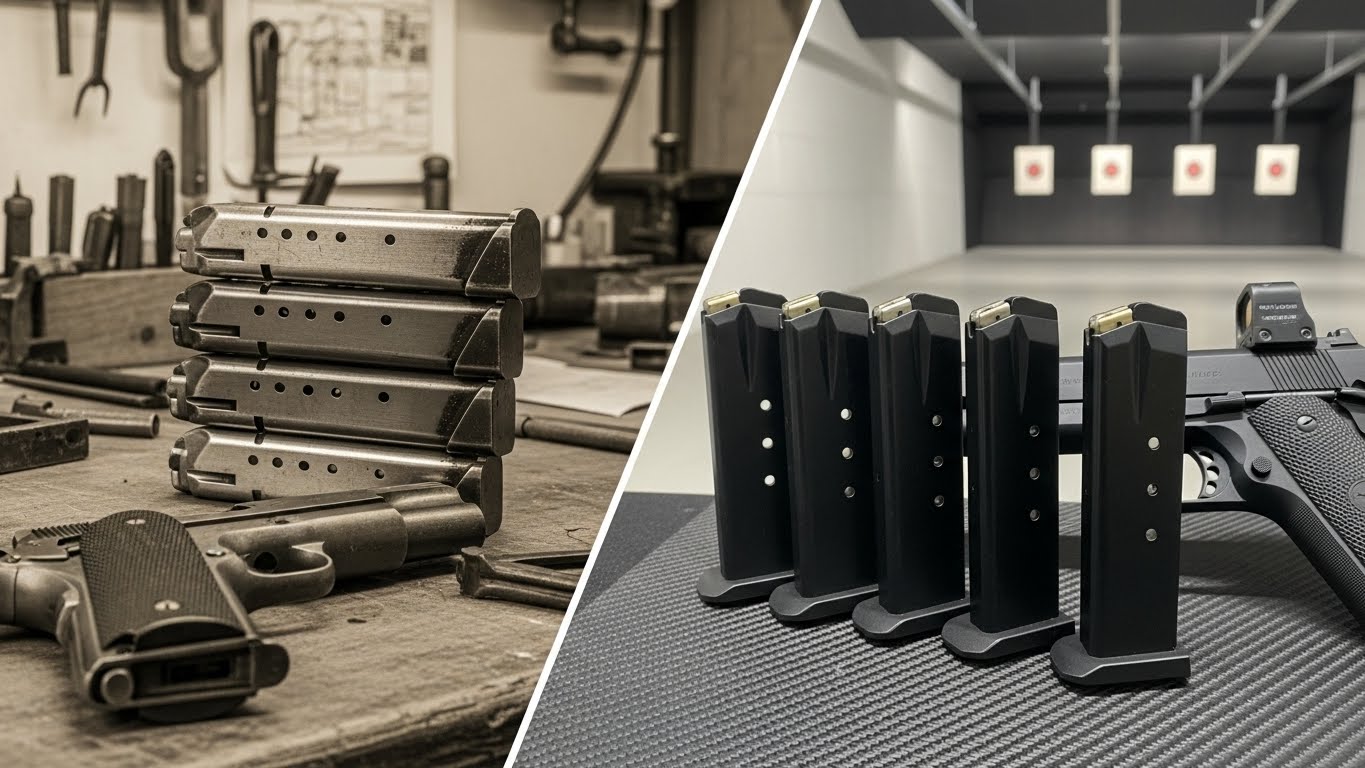
Evolution of 1911 Magazines
The evolution of 1911 magazines reflects the changing demands of firearms enthusiasts. When John Moses Browning designed the 1911 pistol in 1909, its magazine played a crucial role in defining reliability and performance.
Initially crafted from stamped steel, early magazines featured a simple design that met basic needs. However, as shooters sought greater capacity and durability, manufacturers began experimenting with materials like aluminum and polymer.
This quest for improvement led to designs incorporating witness holes for easy round counting. Today’s models often include enhancements such as anti-tilt followers and reinforced feed lips that ensure smoother feeding during high-stress scenarios.
Advancements also focus on aesthetics alongside functionality. Custom finishes or colors allow users to personalize their gear while maintaining operational efficiency. The journey from original designs to modern innovations is a testament to the ongoing commitment to excellence in firearm technology.
Types of 1911 Magazines
1911 magazines come in various types, tailored to fit different needs and preferences. Each type offers unique benefits for shooters.
Standard magazines are the most common choice. Typically holding seven to eight rounds, they balance size and capacity effectively.
Extended magazines take things up a notch. With capacities ranging from ten to fifteen rounds, they provide extra firepower but can add bulk.
Competition magazines are designed specifically for performance. These often feature enhancements like improved feed lips and lighter materials for faster reloads.
There are also tactical options available, engineered for quick access and reliable function under pressure. Many of these models include features such as rubberized base pads or anti-tilt followers.
Aftermarket brands offer custom designs that may enhance aesthetics or functionality, catering to personal tastes while maintaining compatibility with standard frames.
Original Designs: Features and Functionality
The original designs of 1911 magazines set a standard in firearm engineering. These magazines were crafted to seamlessly fit the iconic 1911 platform, enhancing both reliability and functionality.
Typically made from steel, these early models offered durability and strength. Their single-stack configuration allowed for a slim profile, making it easier to grip and conceal. This was particularly appealing for those who favored the 1911 as their go-to sidearm.
The follower design ensured smooth feeding of rounds into the chamber, critical during high-stress situations. Additionally, most original designs featured an open bottom that provided visual confirmation of loaded rounds—a simple yet effective feature.
Though basic compared to modern counterparts, these first-generation magazines laid the groundwork for future innovations while maintaining essential characteristics crucial for performance under pressure.
Modern Innovations: Improvements and Advancements
Modern innovations in 1911 magazines have transformed the shooting experience. Enhanced materials like polymer and stainless steel provide greater durability while reducing weight. This evolution means shooters can enjoy extended sessions without fatigue.
Additionally, many manufacturers now focus on improved feed lips and follower designs. These advancements ensure smoother feeding of rounds, minimizing jams during critical moments. The reliability of these modern mags is significantly higher than their predecessors.
Manufacturers are also incorporating advanced coatings that resist corrosion and wear. This feature enhances longevity, allowing firearms enthusiasts to use their magazines in various environments with confidence.
Moreover, some brands offer specialized capacity options catering to competitive shooters or tactical needs. These high-capacity versions allow for more rounds per magazine without compromising performance or safety standards.
Such innovations continue to push the boundaries of what’s possible with 1911 magazines, making them more user-friendly than ever before.
Choosing the Right 1911 Magazine for Your Needs
Selecting the right 1911 magazine requires careful consideration. First, think about your intended use. Are you using it for competition, self-defense, or casual shooting? Each scenario may demand different features.
Next, consider capacity. Standard magazines hold seven to eight rounds. However, extended options can offer increased capacity but may affect reliability and concealability.
Material also plays a significant role in performance and durability. Steel magazines tend to offer better longevity compared to aluminum counterparts. Look for anti-tilt followers as they enhance feeding reliability during rapid fire.
Choose reputable brands known for quality craftsmanship. User reviews can provide great insights into long-term performance and potential issues before making a purchase decision.
Caring for Your 1911 Magazine: Maintenance and Cleaning Tips
Proper care of your 1911 magazines is essential for reliable performance. Regular cleaning prevents buildup that can lead to malfunctions.
Start by disassembling the magazine according to the manufacturer’s instructions. Use a soft brush and a damp cloth to remove dirt and debris from all surfaces. Pay special attention to the follower and spring, as these components are crucial for smooth operation.
After cleaning, dry each part thoroughly before reassembly. A small amount of lubricant on metal parts can help reduce friction but avoid over-lubricating; too much oil can attract dust.
Store your magazines in a cool, dry place away from direct sunlight. Avoid stacking them heavily or compressing springs unnecessarily, which could cause premature wear.
Routine inspections will go a long way in maintaining functionality. Look for signs of damage or excessive wear that may need addressing before they affect performance during use.
The Future of 1911 Magazines: Potential Upgrades and Developments
As the firearms industry continues to innovate, 1911 magazines are not being left behind. Future upgrades may focus on materials that enhance durability while reducing weight. Advanced polymers and composites could replace traditional metal, providing better resistance against wear and corrosion.
Additionally, there’s potential for smart technology integration in magazine design. Imagine a magazine equipped with sensors that track round count or alert users when it needs maintenance. This would revolutionize how enthusiasts approach firearm care and reliability.
Manufacturers might also explore modular designs that allow customization—swappable base plates or follower systems tailored for specific calibers or shooting styles could become commonplace.
With consistent feedback from shooters driving these developments, the future of 1911 magazines looks promising, blending tradition with cutting-edge advancements to meet evolving user needs.
Conclusion
The world of 1911 magazines is rich with history and innovation. From their original designs that have stood the test of time to modern advancements that enhance performance, these magazines play a critical role in the functionality and reliability of one of America’s favorite handguns. Understanding the various types available allows gun owners to choose what best suits their needs.
Maintenance remains key for longevity, ensuring your magazine performs reliably when it matters most. As manufacturers continue to innovate, we can expect even more impressive upgrades in design, materials, and technology.
For anyone passionate about firearms or simply looking to optimize their shooting experience, keeping an eye on developments within 1911 magazines is essential. Embracing both tradition and progress will undoubtedly lead enthusiasts into an exciting future with this iconic firearm accessory. Your choice today shapes how effectively you engage with the legacy of the 1911 platform going forward.